

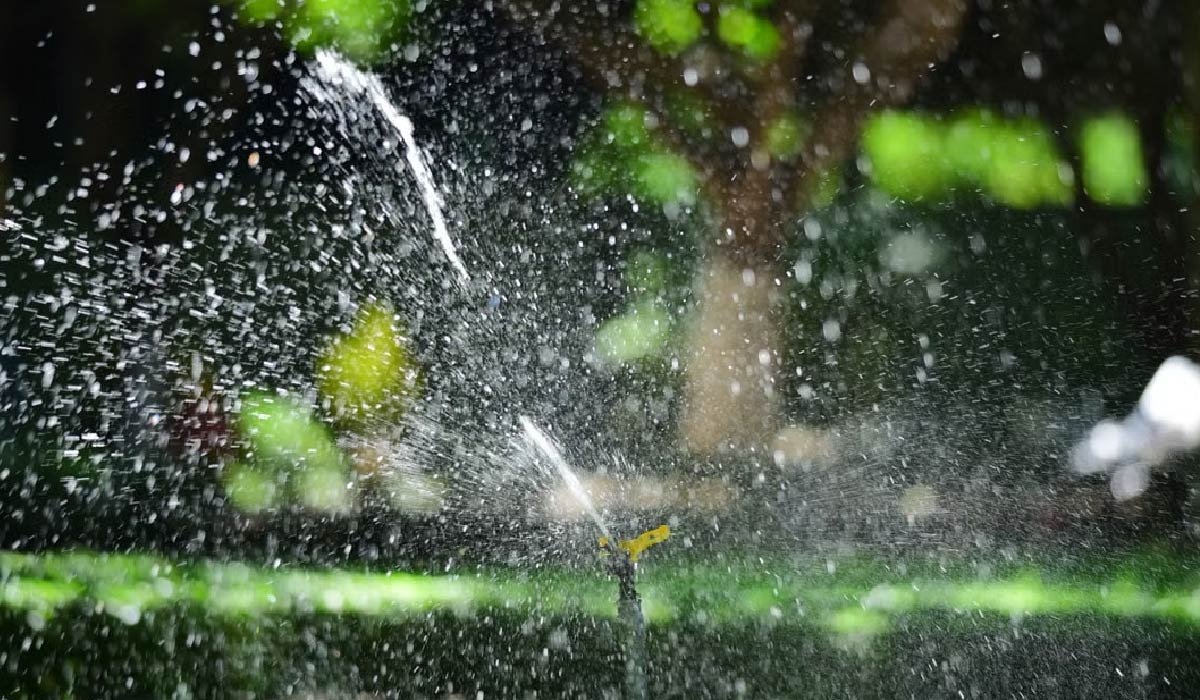
A sprinkler system usually fades into the background until a soggy patch, weak spray pattern, or sudden spike in your water bill pulls it into focus. What looks minor on the surface can turn into wasted water, stressed landscaping, and damage beneath the soil line. If you want your yard to stay healthy without quietly draining money, it helps to understand how pipe issues start, what they affect, and what action actually solves them.
The early signs are easier to miss than most homeowners expect
A leaking irrigation line rarely announces itself with a dramatic break. More often, you’ll notice one area of turf staying greener than the rest, a sprinkler head bubbling instead of popping up cleanly, or pressure dropping across one zone.
Those clues matter because underground pipe failures tend to spread. Soil shifts, root intrusion, age-related cracking, and poor winterization can all put stress on lateral lines. Even a small fracture can change system hydraulics enough to reduce distribution uniformity.
If you keep adjusting your controller to compensate for dry spots, you may be treating the symptom instead of the failure. In many yards, targeted sprinkler pipe repair restores proper coverage faster than repeated head replacements or extra watering cycles.
Water loss adds up in places you don’t immediately see
An irrigation leak doesn’t just waste water during runtime. It can oversaturate root zones, compact nearby soil, and create conditions where turf disease becomes more likely. Beds with mulch can hide the problem even longer, especially when runoff isn’t obvious from the surface.
The financial side gets overlooked too. According to the EPA’s WaterSense outdoor water use data, residential outdoor watering accounts for a major share of household water use, and system inefficiencies can push that number even higher.
A hidden leak also puts hardscaping at risk. Water moving under walkways or near shallow foundations can gradually undermine stability. In practical terms, a repair that seemed easy to postpone can end up tied to turf replacement, erosion correction, or drainage work.
A proper fix involves more than patching the wet spot
Good repair work starts with diagnosis, not guessing. That means isolating the affected zone, checking pressure behavior, identifying whether the fault sits in a lateral line, fitting, valve connection, or riser assembly, and then confirming no secondary breaks are nearby.
That process matters because sprinkler systems fail in patterns. If one section cracked after a freeze or shovel strike, nearby components may already be weakened. Homeowners looking at broader yard upgrades often benefit from reviewing home improvement planning ideas at the same time, especially when irrigation issues overlap with landscaping, patios, or drainage changes.
Once the damaged section is exposed, compatible materials, clean connections, and correct burial depth all affect whether the repair holds through the next season. A rushed splice can solve today’s puddle and still leave you with poor zone performance next month.
The smartest time to act is before peak watering season exposes everything
Spring startups and midsummer heat tend to reveal irrigation weaknesses fast. When demand rises, compromised lines show up as pressure loss, uneven precipitation, and stressed planting areas. Waiting until the hottest stretch of the year usually means your lawn and planting beds absorb the cost first.
A quick visual check every few weeks helps: look for pooling, listen for hissing near valves, and monitor any zone that suddenly needs longer runtimes. If one section of your yard seems off, it probably is.
Handled early, a pipe repair is usually a focused maintenance job. Left alone, it turns into a water-efficiency problem, a landscape health problem, and eventually a bigger property expense.








Discussion about this post