

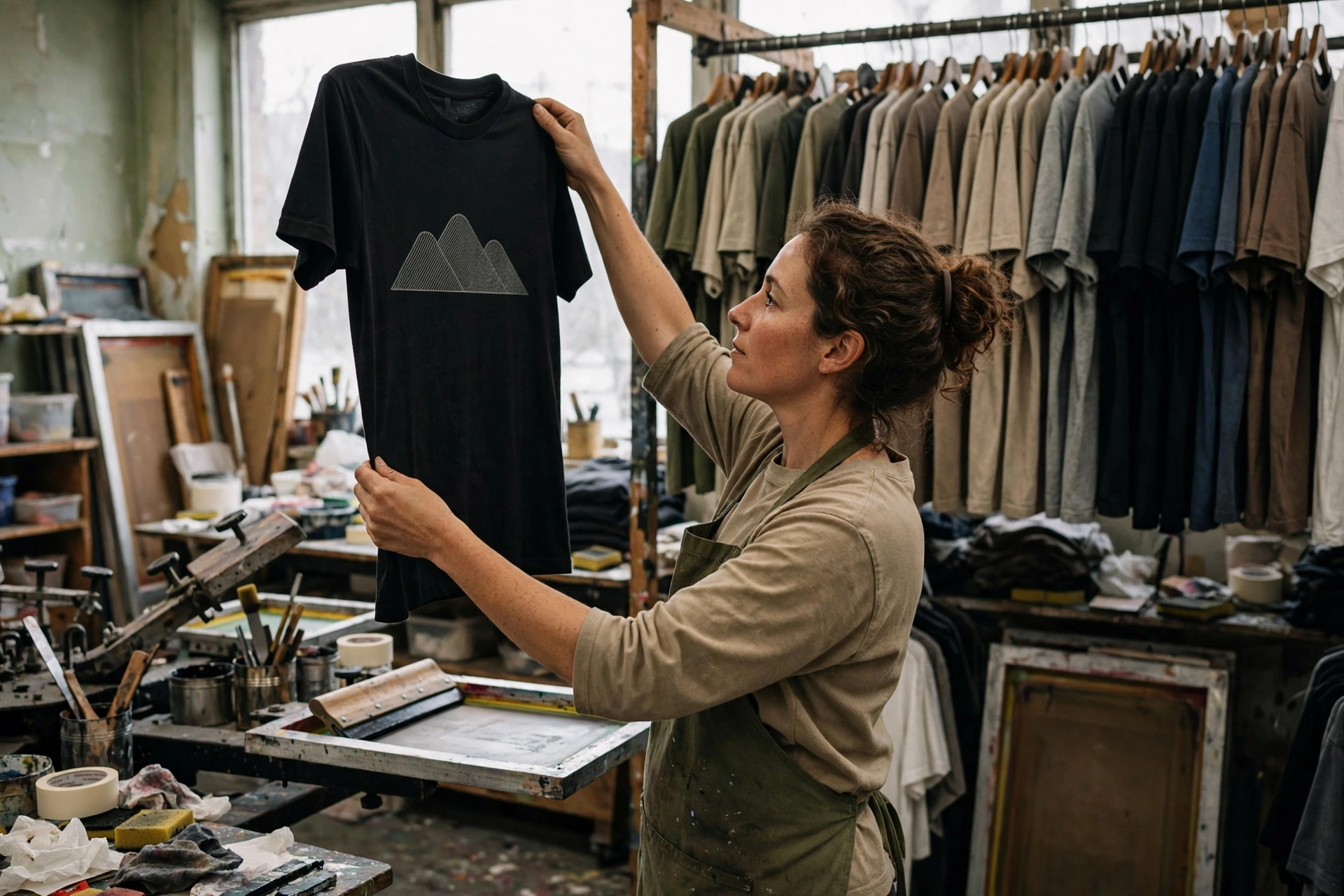
Ordering custom apparel sounds simple enough. You choose a shirt, add your design, select the quantity, and place your order. But when the finished products arrive, the colors may look different, the logo might be too small, or the fabric may not feel quite right. These issues are more common than you might think, especially when ordering custom T-shirts, uniforms, promotional merchandise, or event apparel for the first time.
The good news? Most common custom apparel mistakes are avoidable with a little planning. Let's look at where things typically go wrong and what you can do to get better results.
1. Choosing the Wrong Printing Method
One of the most common mistakes people make when ordering custom apparel is choosing a printing method without fully understanding what their project needs. It's easy to focus on the price or go with a technique you've used before, but that doesn't always mean it's the right fit for your current order. The type of fabric, design details, number of garments, and intended use all play a role in the final result. If you're planning a corporate gathering, festival, or promotional event, you can also consider live screen printing to make the experience more engaging. Guests can watch their shirts being printed on-site and take home personalized merchandise as a reminder of the occasion. Before settling on a printing method, discuss your design, quantity, and expectations with your printing provider. This can help you choose an option that works for your apparel and the purpose behind it.
2. Not Consulting an Experienced Apparel Printing Company
It's tempting to handle everything yourself, especially when you already have a design ready. However, a design that looks great on a computer screen may not translate perfectly onto fabric. Small lettering can become difficult to read, fine details may disappear, and certain color combinations might not provide enough contrast. Working with a professional Orlando apparel company, or an experienced custom apparel provider in your area, can help you identify these problems before production begins. Experienced printing professionals can also guide you through fabric selection, artwork preparation, print placement, and sizing requirements. Sharing your design, budget, quantity, and expectations early gives them a better understanding of your project. It's also worth requesting a digital proof and clarifying any technical limitations before approving the order.
3. Using Low-Resolution Artwork
One of the most frustrating custom apparel mistakes is submitting artwork that isn't suitable for printing. A logo copied from a website or enlarged from a small image may appear blurry or pixelated when printed on a T-shirt. Fine lines and small text can also lose clarity. This happens because images intended for screens aren't always prepared at the resolution or dimensions required for apparel printing. Whenever possible, provide vector artwork in formats such as AI, EPS, or SVG. If you're using a raster image, ask your printer about the required resolution and dimensions. Avoid enlarging small images and assuming they'll print clearly.
4. Ignoring Fabric Quality and Compatibility
A great design can't always make up for an uncomfortable shirt. Fabric affects how apparel feels, fits, performs, and holds a printed design. Cotton is popular for its softness and breathability, while polyester is often preferred for athletic clothing because of its moisture-management properties. Blended fabrics offer different combinations of comfort, durability, and performance. However, not every fabric is equally suitable for every printing method. The best approach is to choose materials based on how the garments will be worn. For example, everyday promotional T-shirts may have different requirements from sports uniforms or workwear. If you're placing a larger order, requesting fabric samples can help you assess comfort and quality before making a commitment.
5. Overcomplicating the Design
When designing custom apparel, it's easy to get carried away. You might want to include your logo, website, slogan, contact information, and several decorative elements. Unfortunately, adding too much can make the design look crowded and difficult to understand. A design that looks attractive on a large monitor may also become unreadable when printed on a small chest area. Instead of trying to fit everything onto one garment, focus on the most important message. Use readable fonts, maintain enough space between design elements, and consider how the artwork will look from a distance. Sometimes, a simple logo with one clear message makes a stronger impression than an overly detailed layout.
6. Forgetting to Check Sizing and Print Placement
A perfectly printed design can still look awkward if it's positioned incorrectly. For instance, a logo placed too low on a T-shirt may appear unbalanced, while an oversized design on a small garment can overwhelm the available space. Sizing mistakes are equally frustrating. Ordering the same size for everyone without checking measurements can leave employees or event participants with clothing that doesn't fit. Review the supplier's size chart rather than relying on standard size labels. It's equally important to confirm print dimensions and placement for each garment style. For larger orders, consider requesting a physical sample before approving full production.
7. Choosing Colors Without Considering the Fabric
The colors you see on your screen won't necessarily look identical on a printed garment. Screen settings, printing techniques, ink properties, and fabric colors can all influence the final appearance. A bright design printed on white fabric may look different when applied to a black or navy shirt. This becomes especially important when producing branded apparel that needs to follow established company colors. Providing your brand's color references gives your printer a useful starting point. You can also discuss color-matching options, review proofs carefully, and request a printed sample when accurate color reproduction is essential.
8. Waiting Until the Last Minute to Order
Custom apparel production involves more than printing. Artwork approval, garment availability, production scheduling, quality checks, and shipping all take time. A last-minute order leaves little room to correct mistakes or handle unexpected delays. This can become particularly stressful when the apparel is intended for a trade show, company event, sports tournament, or product launch. Starting early gives you more flexibility. Confirm production and delivery timelines with your provider, and allow extra time for artwork revisions or sample approvals. Rush production may be available, but it shouldn't be your only plan.
Final Thoughts
Most common custom apparel mistakes come down to decisions made before printing begins. Choosing an unsuitable fabric, overlooking artwork quality, or rushing the approval process can affect the finished product. Taking time to review your design, confirm garment specifications, and communicate clearly with your printing provider can make a noticeable difference. Whether you're ordering a handful of personalized T-shirts or hundreds of branded uniforms, careful preparation helps you create custom apparel that looks good, fits comfortably, and serves its intended purpose.








Discussion about this post