

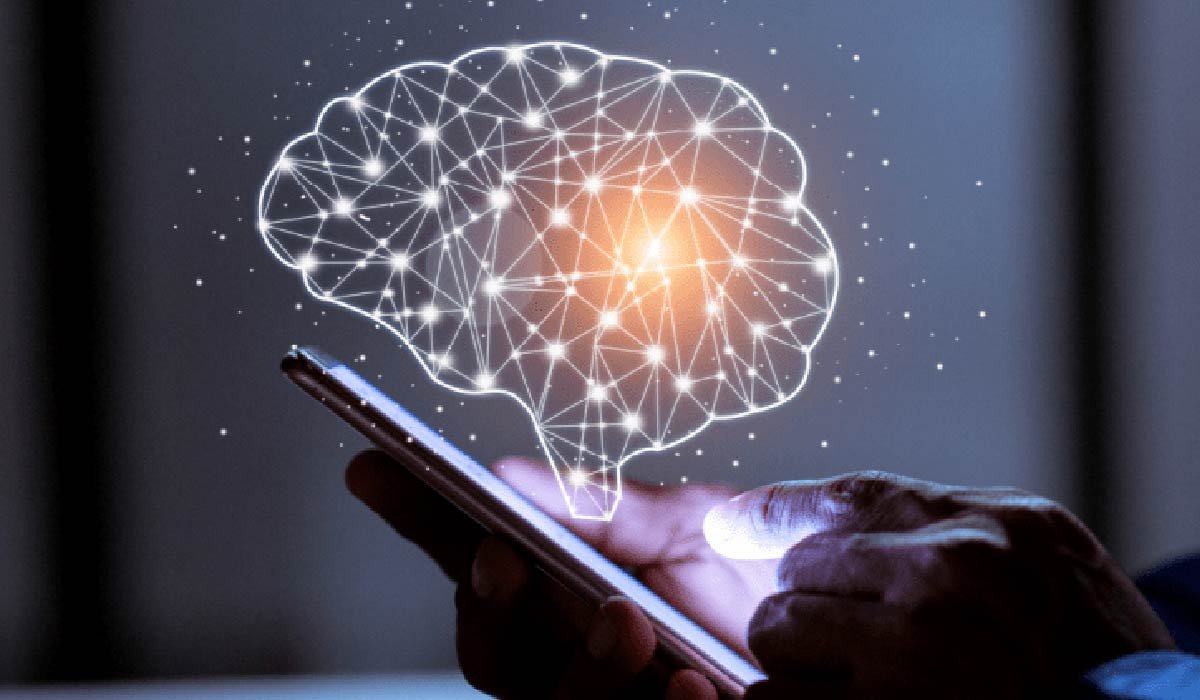
Staying connected with friends, family, and online communities has become a seamless part of modern life. Although screens and social media are commonly blamed for their contribution to distractions, tiredness, or social isolation, the reality of this issue appears to be much more complicated. If these tools are used in the right way, online social communication may become a significant factor for enhancing cognitive resiliency and mental vigor. As Larry Davidson MD states, it may help maintain our cognitive abilities and psychological health in good condition.
The Neural Benefits of Social Engagement
Cognitive health is closely associated with neuroplasticity: the brain’s ability to adapt and create new connections in reaction to novel stimuli. The process of actively communicating online triggers a number of cognitive functions at the same time. Conversation processing, articulation, tone interpretation, and reminiscence all need complicated coordination between different brain areas.
Regular Internet use for communication exercises the brain’s executive functions: working memory, planning, problem-solving, self-control, and more. By participating in virtual book clubs, discussion forums, and video communication with family members, one forces the brain to organize information, accept new perspectives, and formulate a response. These processes help develop what neuroscientists call cognitive reserve, a buffer that makes the brain more resilient to aging.
In addition, social interaction that one engages in will stimulate the release of helpful neurotransmitters. Positive interactions on the internet, such as getting encouraging messages from friends, laughing over video calls, among others, will cause the release of oxytocin and dopamine. Such neurochemicals help to control moods, lower stress levels, and create feelings of belonging. Lowering stress is vital for brain health, since high stress hormone levels, such as cortisol, can harm the hippocampus, which supports memory formation and learning.
Overcoming Isolation Through Digital Bridges
Social isolation and loneliness are major risk factors for cognitive impairment and emotional distress. For older adults, individuals with mobility limitations, or those living in remote areas, maintaining an active offline social life can sometimes present practical hurdles. Digital platforms offer a crucial lifeline in these circumstances, allowing individuals to maintain existing ties and cultivate new, shared-interest friendships.
By breaking geographic barriers, online platforms create opportunities to be part of specific niche groups that share the same interest regardless of whether it involves history, languages, or creative writing. The feeling of being part of a group and constant learning is very protective for the brain. Engaging in the process of learning and sharing knowledge with peers makes the neural networks flexible and dynamic. According to Larry Davidson Neurosurgeon, staying connected digitally will reduce the risks of cognitive impacts brought about by isolation, since there will always be some intellectual stimulation even from a distance.
The secret of reaping neurological benefits from the use of technology depends on how individuals utilize it. Being constantly exposed to online feeds without necessarily engaging is one reason why individuals end up being overwhelmed, fatigued, and isolated. However, doing the opposite brings different results. Sending out a personal message, having video chats, and making contributions to online discussions make screen time productive.
Practicing Mindful Digital Habits
In order to optimize the neurological benefits that are achieved from being socially connected online without compromising their mental well-being, users need to set some boundaries when using technology. The use of technology should be conscious so that it does not become a stressor or a distraction but rather remains a beneficial experience.
It is important to have limited screen time in order to avoid digital overload and preserve other necessary activities to support brain development, such as good sleep, exercise, and personal interaction. In particular, good sleep is important for brain functioning in the long run because during sleep the brain has enough time to get rid of the accumulated metabolic waste and create new memories.
Another key strategy is to value depth of interactions over sheer numbers. Developing a narrower network of genuine and supportive digital relationships will bring about more psychological and neural rewards than having many superficial contacts. Conversations of substance involve more complicated social cognition that includes empathy and other deep emotional processes.
One should also be careful about choosing media environments that stimulate constructive and respectful communication. High levels of anxiety, constant indignation, and hostile discussions create a state of stress that impedes clear thinking. It makes sense to join positive and educational communities where it is safe to think and build connections.
Balancing Digital and Physical Connection
Online engagement, therefore, should enhance but not replace real-life experience and healthy physical practices. Physical exercise, a balanced diet, enough sleep, and direct personal communication remain the cornerstones of proper brain operation. If online platforms are used mindfully together with all of the above practices, they become one of the components of the overall strategy of cognitive health maintenance.
Conclusion
Technology is not evil per se; it is our approach to the integration of that technology in our daily life that influences brain health. The way of mindful use of technology involves having meaningful conversations, finding ways to learn, and establishing boundaries. As Larry Davidson MD, underlines, using technology to establish a real human connection helps people to stay mentally sharp, emotionally healthy, and socially active at all stages of life.









Discussion about this post