

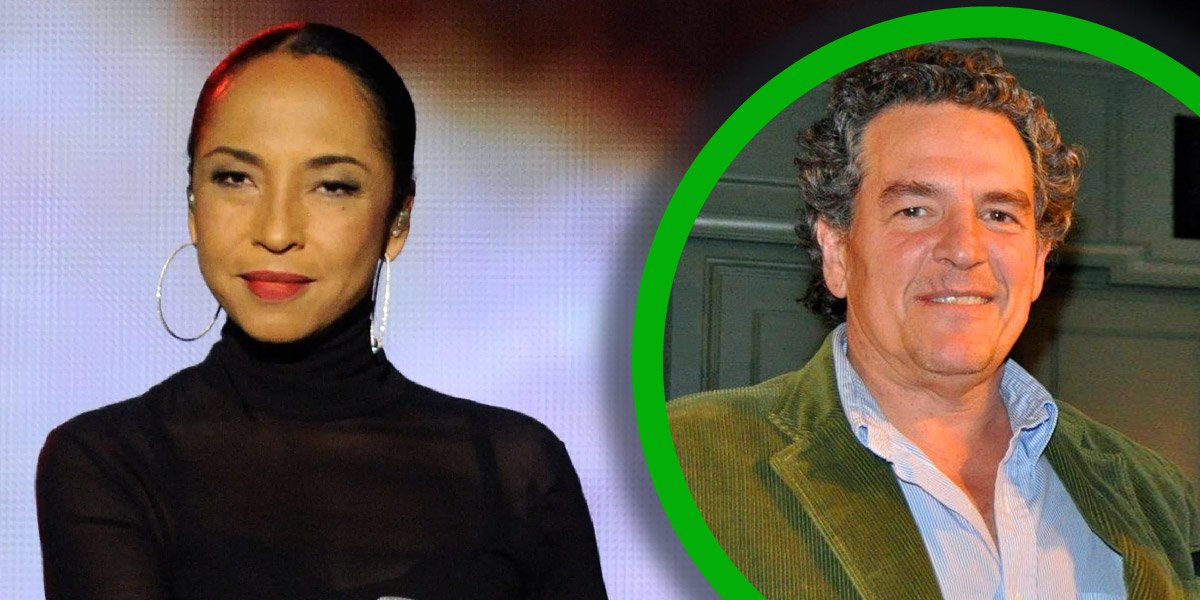
Carlos Scola Pliego is a Spanish filmmaker who built his career by working behind the camera. He has been connected with Spanish cinema, international film productions, and documentary projects during his professional journey.
Many people know Carlos because of his former marriage to Sade Adu, the Nigerian-British singer famous for her soulful voice. However, his own career in filmmaking began years before their marriage brought wider attention to his name.
Carlos worked in different areas of filmmaking, including script supervision, assistant directing, writing, producing, and directing. He also participated in major international projects while developing documentaries based on wildlife, culture, and real-life subjects.
His private lifestyle has kept much of his personal story away from attention. This article explores Carlos Scola Pliego’s background, filmmaking journey, important projects, relationship with Sade Adu, divorce, later life, net worth, and lasting place in entertainment history.
Quick Bio
| Full Name | Carlos Scola Pliego |
| Date of Birth | Unknown |
| Place of Birth | Spain |
| Nationality | Spanish |
| Ethnicity | European |
| Religion | Catholic |
| Profession | Film Director |
| Known For | Filmmaking career and former marriage to Sade Adu |
| Marital Status | Divorced |
| Ex-Wife | Sade Adu |
| Marriage Date | October 11, 1989 |
| Divorce Finalized | 1995 |
| Children | None with Sade Adu |
| Current Residence | Likely Spain |
| Estimated Net Worth | Around $70 million as of 2025 |
Who Is Carlos Scola Pliego?
Carlos Scola Pliego is a Spanish filmmaker whose professional life has mainly remained behind the camera. His work connects him with both Spanish cinema and larger international film productions from different periods of his career.
His name became more familiar to the wider public after his relationship with Sade Adu. Their marriage placed Carlos close to one of the most successful singers of the 1980s and brought more curiosity about his personal background.
Long before becoming known as Sade’s husband, Carlos was developing experience in filmmaking. He worked in important production roles and gradually became involved with projects that required greater creative and organizational responsibility.
His career therefore offers more than a celebrity relationship story. Carlos built his own professional path through film production, assistant directing, and documentary filmmaking while keeping his personality and private affairs mostly outside the spotlight.
Early Life in Spain
Carlos Scola Pliego was born in Spain and comes from a European background. His exact birth date is not known, and details about the particular Spanish city or region where he spent his childhood have remained private.
There is also little information about his parents, siblings, or other members of his family. Carlos has never made his early family experiences an important part of his public identity or professional image.
His religion has been described as Catholic, connecting him with a faith that has deep historical roots in Spanish society. However, he has not discussed his religious beliefs or personal practices in detail.
What stands out most about his early background is the privacy surrounding it. Instead of sharing stories about his childhood, Carlos became known mainly through his filmmaking career and, later, his marriage to Sade Adu.
Education and Learning the Film Business
Information about Carlos Scola Pliego’s formal education is limited. He has not discussed the schools he attended, his academic qualifications, or whether he completed professional training at a dedicated film institution.
His career shows that he developed a strong practical understanding of movie production. During the 1970s and 1980s, working directly on sets provided valuable training for people interested in building long-term careers in filmmaking.
Carlos started with behind-the-scenes responsibilities that demanded patience and careful attention. One of those positions was script supervision, which involves making sure that scenes remain consistent with the screenplay and with footage already filmed.
This early experience gave him an understanding of how different parts of a production fit together. He later moved toward assistant directing, allowing him to take on greater responsibility while continuing to develop his filmmaking skills.
First Steps in Spanish Cinema
Carlos began establishing himself in the film industry during the late 1970s. His early career was connected with Spanish cinema, giving him opportunities to learn the practical demands of professional filmmaking from inside active productions.
In 1979, he worked on La boda del señor cura. The project became one of the early film credits associated with his developing career and helped him gain experience within Spain’s professional movie industry.
Another early project was Opera Prima in 1980. Working on productions during this period allowed Carlos to strengthen his understanding of filmmaking while developing experience that would later help him enter larger international projects.
These early years formed an important foundation for his career. Rather than becoming famous in front of the camera, Carlos focused on the technical, creative, and organizational work needed to turn scripts and ideas into completed films.
From Script Supervisor to Assistant Director
Script supervision played an important role during the early part of Carlos Scola Pliego’s filmmaking journey. The position requires someone to closely follow the script and keep visual and story details consistent throughout a production.
This work can involve monitoring dialogue, costumes, movements, props, and other details between different takes. Small mistakes can create continuity problems, so the role requires strong concentration and careful observation during filming.
Carlos eventually moved into assistant directing. This position placed him closer to the organization and management of film shoots, where coordinating schedules, production teams, and daily filming requirements became part of his responsibilities.
The move represented professional growth in his career. It allowed Carlos to combine his knowledge of filmmaking with leadership and organization, preparing him for increasingly complex projects both inside Spain and on international productions.
Working on Never Say Never Again
A major international production connected with Carlos was Never Say Never Again, released in 1983. The James Bond film starred Sean Connery and became one of the most recognizable projects associated with Carlos’s behind-the-scenes career.
Carlos worked as a second assistant director on the production, although his name did not appear in the film’s credits. The role nevertheless placed him inside a large-scale project involving an experienced international filmmaking team.
A second assistant director helps keep production running smoothly. The job can involve coordinating people, supporting schedules, organizing set activities, and assisting the wider directing team during demanding days of filming.
His involvement in a James Bond production showed how far his career had progressed from his earlier Spanish projects. Carlos was now gaining experience on a film designed for a large worldwide audience.
Other International Film and Television Work
The year 1983 was an active period in Carlos Scola Pliego’s career. Alongside his connection with Never Say Never Again, he also worked on Curse of the Pink Panther, another internationally recognized film production.
Carlos was also involved with the television miniseries Christopher Columbus. The project featured a notable cast that included Gabriel Byrne and gave Carlos further experience working within a larger television production environment.
These projects expanded his professional background beyond Spanish cinema. They allowed him to work with international crews and experience different production methods while strengthening his abilities behind the camera.
Carlos never became the public face of these films, but that was not the nature of his work. His career was built through production responsibilities that helped directors, performers, and crews complete complex projects successfully.
Becoming a Filmmaker With His Own Vision
After gaining experience through different production roles, Carlos expanded into more personal filmmaking. Instead of always helping other directors complete their projects, he began working on films where he could take greater control of the story.
His experience across different filmmaking positions prepared him for this change. He understood how scripts, crews, schedules, locations, and creative ideas needed to work together during the production process.
Carlos eventually worked as a writer, director, and producer. Taking responsibility across these areas gave him more freedom to explore subjects that were different from the commercial films on which he had previously worked.
Documentary filmmaking became an important part of this creative direction. His projects showed an interest in wildlife, culture, human experiences, and environments that offered meaningful stories outside traditional fictional cinema.
Ngira: Gorilas en la Montaña
One of Carlos Scola Pliego’s most personal projects was Ngira: Gorilas en la montaña. Released in 1988, the short documentary allowed him to work as a writer, director, and producer rather than simply serving in an assistant role.
The documentary was filmed in the Democratic Republic of Congo. Its subject centered on gorillas living in their natural habitat, taking Carlos’s filmmaking work into an environment very different from conventional movie sets.
The project reflected his interest in nature and wildlife. Creating this kind of documentary required careful observation because the story depended on real animals, real locations, and conditions that could not be controlled like fictional scenes.
Ngira: Gorilas en la montaña therefore represents an important part of Carlos’s creative identity. It showed that he was interested not only in commercial entertainment but also in using film to explore the natural world.
Donde Termina el Corazón and African Stories
Carlos Scola Pliego continued his interest in documentary storytelling through Donde termina el corazón. The project explored aspects of African culture and life, further showing his desire to tell stories rooted in real places and human experiences.
This direction was different from his earlier involvement with large international productions. Instead of focusing mainly on entertainment, his documentary work allowed him to observe communities, environments, and cultural subjects more closely.
His African projects also demonstrated a willingness to work far beyond Spain. Carlos used filmmaking as a way to explore unfamiliar environments while bringing those experiences into documentary form for viewers.
These projects reveal a thoughtful side of his professional career. They suggest that his interest in cinema was not limited to famous productions or commercial success but also included meaningful subjects from the real world.
Meeting Sade Adu in Spain
Carlos Scola Pliego’s personal life changed when he met Sade Adu during the 1980s. Sade was already building an international reputation through her distinctive voice and the success of her music.
Their paths crossed in Spain while Sade was working on music videos connected with her album Promise. Carlos was working behind the scenes during the video productions, creating the circumstances that brought the two together.
Sade was also experiencing a difficult emotional period following the loss of her father. Carlos became a supportive presence in her life, and their early connection developed through friendship rather than immediately becoming romantic.
Over time, that friendship became a relationship. Their connection brought together two creative people from different areas of entertainment, with Sade working in music while Carlos continued building his career behind the camera.
Carlos Scola Pliego and Sade Adu’s Marriage
Carlos Scola Pliego married Sade Adu on October 11, 1989. Their wedding was held in Spain in a private ceremony that took place in a Spanish castle, keeping the occasion personal despite Sade’s international fame.
Following the wedding, the couple made Madrid their home. Their life together remained relatively quiet, with Carlos continuing his filmmaking interests while Sade remained connected with her successful music career.
Carlos Scola Pliego did not attempt to build a celebrity identity from his marriage. Even while married to a world-famous singer, he remained much more comfortable behind the scenes than in front of cameras.
Their marriage nevertheless became the personal relationship most strongly associated with Carlos’s name. Decades later, people interested in Sade’s life continue to search for information about Carlos and their years together in Spain.
Understanding Sade Adu’s Fame
Sade Adu is a Nigerian-British singer who became internationally famous during the 1980s. Her smooth voice and distinctive musical style helped her develop an identity that stood apart from many other performers of the period.
Songs such as “Smooth Operator” introduced her music to audiences around the world. Albums including Diamond Life and Promise further established her success and helped build a loyal international fan base.
Her music combines elements of soul, jazz, and R&B. She became respected for delivering emotional songs in a calm and controlled way rather than relying on an overly dramatic performance style.
Sade also became known for keeping her private life away from constant attention. This characteristic gave her something in common with Carlos, who similarly preferred to keep his personal experiences separate from his professional work.
Why Their Marriage Ended
Although Carlos Scola Pliego and Sade appeared to share a strong connection, their marriage did not last. They separated relatively early in the relationship, with their separation taking place around one year after their 1989 wedding.
Their divorce was not finalized until 1995. This meant that their legal marriage continued for several years after they had already stopped living together as a married couple.
The exact reasons behind their separation were not discussed in detail by Carlos or Sade. Their breakup remained personal, fitting the private approach that both had generally taken toward their relationship.
The separation was an emotionally difficult experience for Sade. She later described the period as painful and indicated that recovering emotionally took years, showing how deeply the end of the relationship affected her.
Did Carlos and Sade Have Children?
Carlos Scola Pliego and Sade Adu did not have children during their marriage. Their relationship therefore did not create a continuing family connection through a son or daughter after their separation.
The couple married in 1989 but separated relatively soon afterward. By the time their divorce was legally completed in 1995, they had already been living separate lives for several years.
Sade later became a parent through another relationship. That chapter of her family life developed after her relationship with Carlos had ended and was separate from their marriage.
For Carlos, there are no children connected with his marriage to Sade. Their relationship remains remembered through their time together, their life in Madrid, and the emotional importance the marriage held during that period.
Life After His Divorce From Sade
Following the divorce, Carlos Scola Pliego returned to an increasingly private lifestyle. He did not use his former marriage as a way to remain connected with celebrity attention or entertainment publicity.
While Sade continued her successful music career, Carlos stayed mainly outside the public eye. He rarely appeared in entertainment coverage and did not become known for discussing his previous relationship.
His private approach also extended to interviews and personal updates. Carlos has not built a visible social media presence or regularly shared details about what he has been doing in his later years.
This quiet period has increased curiosity about him. Because Carlos once had connections with major film projects and a world-famous singer, his decision to live privately makes people even more interested in his story.
Later Career and Goal II: Living the Dream
Carlos continued to have connections with filmmaking after the most active years of his early career. One of the later productions associated with him was Goal II: Living the Dream, released in 2007.
The project stands among the last known film connections in his professional story. After this period, Carlos became far less visible within the entertainment industry and information about new filmmaking activities became limited.
His earlier career had already covered several different areas of production. He had worked on Spanish films, international movies, television productions, and documentaries while taking on different responsibilities behind the camera.
This range remains an important part of his professional identity. Carlos was not limited to one filmmaking position or one type of production, which helped make his career more varied than his low public profile might suggest.
Where Is Carlos Scola Pliego Now?
Carlos Scola Pliego is believed to have continued living a quiet life connected with Spain. His exact current location has remained private, and he has largely stayed away from entertainment publicity during his later years.
He does not regularly appear at celebrity events or provide personal updates. His absence from public platforms fits the same private approach that has followed him throughout much of his life.
Carlos Scola Pliego also appears to have moved away from highly visible film work. After his later career connections, information about new directing, producing, or filmmaking projects became increasingly scarce.
Today, he remains best remembered through a combination of his earlier cinema work and his marriage to Sade Adu. His decision to remain private has allowed much of his current life to stay separate from his past fame.
Carlos Scola Pliego’s Net Worth
Carlos Scola Pliego’s net worth has been estimated at around $70 million as of 2025. This figure has become another detail that attracts attention from people searching for information about the filmmaker.
His financial success is generally connected with his years in the film industry. Carlos worked across different production roles and participated in both Spanish and international projects during his professional career.
His work as a director, writer, producer, script supervisor, and assistant director gave him experience across several parts of filmmaking. His documentary projects also formed an important part of his independent creative work.
Despite the large estimated figure connected with his wealth, Carlos has never been known for displaying a highly public luxury lifestyle. His image has remained defined more by privacy and filmmaking than by money or celebrity attention.
His Place in the Film Industry
Carlos Scola Pliego’s career demonstrates how important behind-the-scenes professionals are to filmmaking. Audiences usually see actors and directors first, but major productions depend on many skilled people working together away from the camera.
Carlos experienced several sides of this process. Starting with detailed production responsibilities helped him understand the practical demands of filmmaking before he moved into assistant directing and more creative positions.
His international projects placed him around large productions, while his documentary work gave him opportunities to develop his own creative voice. These two sides of his career created a varied professional background.
Although he never became a household name as a filmmaker, his career included interesting projects and meaningful experiences. His work remains an important part of understanding Carlos separately from his marriage to Sade Adu.
Final Thoughts
Carlos Scola Pliego has lived a life connected with filmmaking, international productions, documentary storytelling, and a famous relationship. Born in Spain, he developed his professional experience through practical behind-the-scenes work before taking on greater creative responsibilities.
His career included Spanish films and international projects such as Never Say Never Again. He later explored documentary filmmaking through projects including Ngira: Gorilas en la montaña and Donde termina el corazón.
His marriage to Sade Adu introduced his name to a much wider audience. They married in 1989, lived together in Madrid, later separated, and eventually finalized their divorce in 1995 without having children together.
Carlos Scola Pliego ultimately chose a much quieter life away from celebrity attention. Although many details about his later years remain private, his film career and connection with Sade continue to keep his name interesting to audiences decades later.
(FAQs)
Who is Carlos Scola Pliego?
Carlos Scola Pliego is a Spanish filmmaker who worked on Spanish and international film productions. He is also widely known as the former husband of Nigerian-British singer Sade Adu.
When did Carlos Scola Pliego marry Sade Adu?
Carlos Scola Pliego and Sade Adu married on October 11, 1989. Their private wedding took place in Spain, and the couple later lived together in Madrid.
What films did Carlos Scola Pliego work on?
Carlos Scola Pliego worked on projects including La boda del señor cura, Opera Prima, Never Say Never Again, Curse of the Pink Panther, Christopher Columbus, and Goal II: Living the Dream.
Did Carlos Scola Pliego and Sade Adu have children?
No, Carlos Scola Pliego and Sade Adu did not have children together. They married in 1989, separated relatively early in their marriage, and finalized their divorce in 1995.
What is Carlos Scola Pliego’s net worth?
Carlos Scola Pliego’s estimated net worth is around $70 million as of 2025. His financial profile is mainly associated with his long career and different roles within the film industry.
you may also read: Christina Erika Carandini Lee: Inside the Private Life of Christopher Lee’s Daughter









Discussion about this post