

Electric cars are becoming more common on American roads, but millions of drivers still prefer traditional gasoline-powered vehicles. Despite improvements in battery technology and a growing selection of models, several practical and financial concerns continue to discourage Americans from making the switch.
The Price Is Still Too High for Many Buyers
For most Americans, buying a car is a major financial decision. Even if an electric vehicle promises lower operating costs, the amount paid at the dealership often matters more than potential savings several years down the road.
Electric vehicles have become more affordable, but many models still cost more than comparable gasoline-powered cars. Buyers also need to consider financing, insurance, and the possibility of installing a home charging station.
The financial uncertainty extends beyond individual buyers. Investors following the electric vehicle industry frequently examine everything from battery production costs to consumer demand. Searches for terms such as tesla stock price prediction 2030 reflect broader interest in whether manufacturers can make electric cars affordable enough to attract mainstream customers.
For someone driving an older vehicle that still works perfectly well, spending thousands of dollars on a replacement simply to save money on gasoline may not seem worthwhile.
Charging Remains a Major Inconvenience
Imagine stopping at a gas station and discovering that filling your tank will take 40 minutes instead of five. For many drivers, that comparison explains their hesitation about electric vehicles.
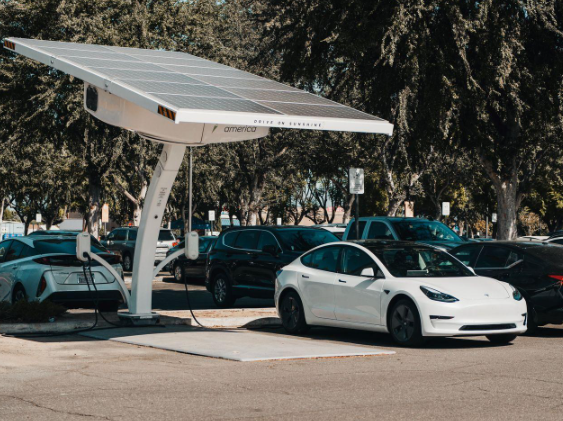
Charging technology has improved considerably, and some newer models can recover substantial driving range during a short stop at a fast charger. However, charging remains less predictable than refueling a gasoline-powered vehicle.
Public charging stations are also distributed unevenly across the country. Drivers in California or major metropolitan areas may have several convenient options, while people living in smaller towns can face longer distances between stations.
Even when chargers are available, drivers may encounter occupied equipment, technical problems, or different payment systems.
These inconveniences become particularly frustrating during long journeys, when travelers would rather spend their time reaching their destination than planning charging stops.
Not Everyone Can Charge at Home
One of the biggest advantages of owning an electric car is being able to charge it overnight. Instead of visiting a gas station, drivers can wake up with enough battery power for their daily commute.
Unfortunately, this convenience isn’t available to everyone.
Millions of Americans live in apartment buildings, rented homes, or properties without dedicated parking spaces. Installing a private charger may require permission from a landlord, electrical upgrades, or additional expenses.
Someone living on the third floor of an apartment building cannot simply run an extension cord to a vehicle parked across the street.
Without reliable home charging, electric car ownership becomes much more dependent on public infrastructure. That can make the entire experience less attractive, particularly for people with demanding work schedules.
Drivers Worry About Battery Life and Repair Costs
Most Americans understand what happens when a conventional car develops engine trouble. They may not enjoy paying for repairs, but they generally know where to find a mechanic.
Electric vehicles introduce different questions.
How long will the battery last? What happens if it needs replacing? Will a neighborhood repair shop be able to fix the vehicle?
Modern electric car batteries are designed to last for years, and many manufacturers provide lengthy battery warranties. Nevertheless, the possibility of an expensive replacement can make buyers nervous.
There is also uncertainty about resale value. Someone purchasing a car today may wonder how much it will be worth after five or six years, especially as manufacturers introduce newer batteries and improved technology.
For households that depend on getting a reasonable trade-in value, these concerns can influence purchasing decisions.
Americans Have Different Driving Needs
Electric cars can be excellent for commuting, shopping, and everyday transportation. However, not every American uses a vehicle in the same way.
A driver in downtown Boston has different requirements from someone regularly traveling hundreds of miles across rural Montana.
Families who frequently take road trips may prefer the flexibility of a gasoline-powered SUV. Others need vehicles capable of towing trailers, carrying heavy equipment, or operating in extremely cold weather.
Although electric models can handle many of these tasks, towing and low temperatures can reduce driving range.
For some buyers, the issue isn’t opposition to electric technology. They simply haven’t found a vehicle that matches their lifestyle at a comfortable price.
What Could Convince More Americans to Switch?
The transition to electric vehicles will probably depend less on advertising campaigns and more on solving everyday problems.
Lower purchase prices would help, particularly if manufacturers introduced more affordable compact cars and family vehicles. Better charging coverage, simpler payment systems, and dependable equipment could also make ownership easier.
Automakers may need to address concerns about battery repairs, warranties, and resale values more clearly.
Interestingly, hybrids offer another possible path forward. They allow drivers to reduce gasoline consumption without depending entirely on charging infrastructure.
Ultimately, Americans don’t necessarily need convincing that electric cars represent an interesting technology. They need confidence that switching will make their lives easier, not more complicated.
Until electric vehicles can consistently deliver that combination of affordability, convenience, and reliability, many drivers will continue choosing the gasoline-powered cars they already know.








Discussion about this post