

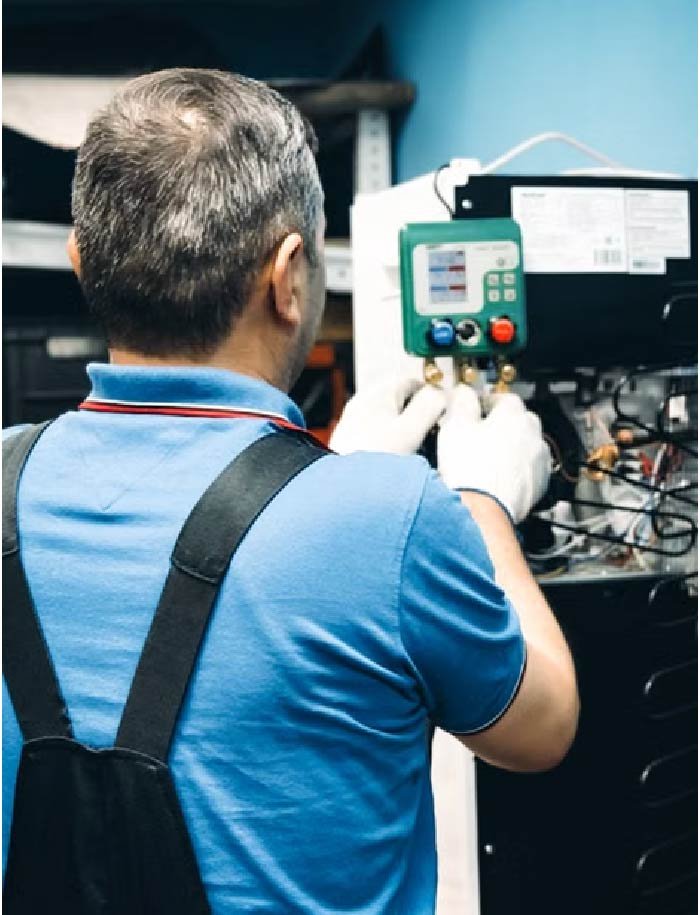
Your air conditioner is cooling the house, the heater turns on when needed, and nothing seems out of the ordinary. So, do you really need to schedule HVAC maintenance?
It’s easy to put off a service appointment when everything appears to be working fine. After all, why spend money on something that isn’t broken?
The problem is that HVAC issues don’t always announce themselves. A dirty coil, worn component, or developing airflow restriction may go unnoticed until your system starts struggling to keep up.
Skipping an occasional appointment doesn’t automatically mean your equipment will fail. However, repeatedly neglecting maintenance can affect performance, comfort, and the lifespan of your heating and cooling system.
Here’s what can happen when regular HVAC maintenance falls off your to-do list.
What Are the Consequences of Skipping Regular HVAC Maintenance?
Your HVAC system works throughout the year to maintain comfortable indoor temperatures. Without periodic inspections and basic upkeep, small problems may develop into larger ones. Some issues affect efficiency, while others can eventually lead to equipment failure.
If your system hasn’t been inspected recently, consider looking for HVAC service in Nevada or your local area to find qualified technicians who offer preventive maintenance. They can inspect your equipment, identify developing problems, and recommend maintenance based on its condition.
Here are some potential consequences of putting off HVAC maintenance.
-
Higher Energy Bills
Have you noticed your electricity or gas bill creeping up even though your thermostat settings haven’t changed?
A neglected HVAC system may need to work harder to maintain the same indoor temperature. Dirty coils, restricted airflow, and certain mechanical problems can reduce efficiency, causing equipment to consume more energy than necessary.
Heating equipment can also become less efficient when maintenance is neglected. If you live in Las Vegas, consider looking for heating maintenance services in Las Vegas to have your furnace or heating system inspected before winter. A technician can check for issues that may be affecting its performance and energy consumption.
Of course, energy bills also depend on weather conditions, utility rates, and household usage. However, an unexplained increase can be a reason to have your system checked.
-
More Frequent HVAC Breakdowns
Many HVAC problems develop gradually rather than appearing overnight.
A worn electrical component, loose connection, or blocked condensate drain might not immediately stop your system from working.
Without regular inspections, these issues can remain unnoticed until they cause a breakdown.
Preventive maintenance gives technicians an opportunity to identify certain problems before they become more serious. It can’t prevent every repair, but it may reduce the likelihood of avoidable failures.
-
Reduced Heating and Cooling Performance
Does your living room feel comfortable while your bedroom stays unusually warm? Or does your heater take longer than usual to warm the house?
Poor HVAC performance can have several causes, including dirty filters, restricted airflow, or malfunctioning components.
When maintenance is neglected, these problems may become more noticeable over time.
Regular filter care, cleaning, and equipment checks can help support consistent heating and cooling performance.
-
Shorter Equipment Lifespan
Replacing an air conditioner or furnace is a significant expense, so naturally, you want your equipment to last as long as reasonably possible.
However, prolonged operation with restricted airflow, dirty components, or unresolved mechanical problems can place additional strain on the system.
Over time, this may contribute to premature component wear or equipment failure.
Routine maintenance doesn’t guarantee a particular lifespan, but it can help identify issues that might otherwise cause unnecessary damage.
-
Unexpected Heating Problems During Winter
If your furnace or heating system hasn’t been inspected in a while, problems may become apparent when you turn it on after months of limited use.
Dirty filters, ignition issues, or worn components can interfere with heating performance.
Depending on the equipment, professional maintenance may include inspecting electrical connections, safety controls, burners, and other components that affect heating performance.
Addressing these concerns early may reduce the chance of discovering a heating problem on a cold night.
-
Poorer Indoor Air Quality
Your HVAC system circulates air throughout your home, making filter care and cleanliness important.
When filters become heavily clogged, they may restrict airflow. Dust or moisture buildup in certain HVAC components can also affect indoor conditions.
However, HVAC maintenance alone cannot resolve every indoor air quality concern. Ventilation, humidity, outdoor pollution, and household activities also influence the air you breathe.
Changing filters as recommended and addressing moisture problems can be useful parts of maintaining a healthier indoor environment.
-
Water Leaks and Moisture Problems
Air conditioning systems remove moisture from indoor air during cooling. That moisture normally drains away through a condensate line.
Over time, the drain may become clogged, causing water to collect around the indoor unit.
If left unnoticed, leaking water can damage nearby walls, flooring, or ceilings.
During maintenance, technicians may inspect the condensate drainage system and address blockages or other visible problems.
If you notice water around your AC equipment, don’t ignore it simply because the system is still cooling.
-
Potential Safety Concerns
Some HVAC problems involve more than comfort or energy efficiency.
For example, gas-fired furnaces with combustion or venting problems may present carbon monoxide risks. Electrical faults can also create safety hazards.
Professional maintenance may include checking relevant safety controls, electrical components, and combustion-related systems, depending on the equipment.
Keep working carbon monoxide alarms installed where recommended if your home uses fuel-burning appliances.
If you suspect a gas leak or carbon monoxide exposure, leave the building immediately and seek emergency assistance.
How Often Should You Schedule HVAC Maintenance?
Maintenance needs depend on the equipment, its age, operating conditions, and manufacturer recommendations.
As a general approach, many homeowners schedule cooling system maintenance before summer and heating system maintenance before winter.
Air filters may need attention more frequently, particularly in dusty environments or homes with pets.
Between professional visits, you can keep vents unobstructed, check thermostat settings, and look for unusual noises, odors, or changes in system performance.
These simple habits won’t replace a professional inspection, but they can help you recognize when something needs attention.
Final Thoughts
So, what happens if you skip regular HVAC maintenance? Your system may continue working for a while, but neglected upkeep can increase the risk of inefficient operation, unexpected breakdowns, reduced comfort, and premature equipment wear.
The good news is that maintaining your heating and cooling equipment doesn’t have to be complicated.
Following manufacturer recommendations, checking filters, and arranging periodic professional inspections can help you identify problems early and keep your HVAC system operating reliably throughout the year.








Discussion about this post