

The first week at a new job sets the tone for an employee’s entire tenure. Long before they tackle their first major project or navigate company politics, new hires form opinions based on how prepared the team was for their arrival. An empty desk, a missing keycard, or an awkward scramble to find basic stationery signals disorganization. Conversely, a thoughtful, well-curated welcome pack creates an immediate sense of belonging and excitement.
Creating an effective onboarding kit goes beyond simply throwing leftovers from the marketing supply closet into a cardboard box. When done properly, it reinforces team culture, equips staff for their daily tasks, and turns new team members into proud ambassadors for your brand from day one.
The Core Philosophy: Utility Over Clutter
The biggest pitfall in corporate gift curation is choosing items based on price alone, which usually results in low-quality novelties that end up in desk drawers or the bin. Flimsy pens that run out of ink in three days, ill-fitting garments, and plastic knick-knacks do not reflect well on an organization.
When selecting items for an onboarding kit, focus on daily utility. Ask yourself three questions:
- Will the employee actually use this item inside or outside the office?
- Does the quality match the standard of work we expect from our team?
- Is the branding tasteful enough that someone would wear or carry it in public?
A minimalist pack containing three premium, highly practical pieces will always make a stronger impression than a crowded box filled with cheap disposable items.
Key Components of a Memorable Onboarding Pack
While every company culture is unique, certain categories of items consistently prove valuable across industries. Here is how to structure a kit that balances practicality with brand pride.
1. Everyday Wearables
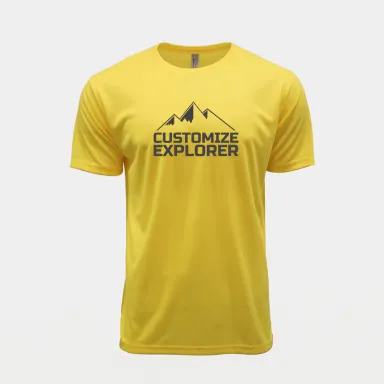
Apparel remains one of the most effective ways to make someone feel part of a team immediately. For casual office environments, quality T-shirt printing using breathable combed cotton ensures the shirt gets worn repeatedly on casual Fridays and weekends. If your work environment leans more formal or requires client visits, consider polo shirts or lightweight zip-up jackets tailored to local indoor air conditioning. In warm climates, choosing breathable fabrics for any custom shirt Malaysia teams wear daily is essential for comfort.
2. Identification and Security Essentials
Most offices require keycards, access fobs, or physical identification cards. Presenting these on day one via a dedicated Custom Lanyard and an attractive badge holder makes security protocols feel like an official badge of honor rather than a chore. Opt for durable polyester or woven materials with safety breakaway clips, ensuring the lanyard is comfortable to wear around the neck throughout long working days.
3. Thoughtful Carry Bags
How you present the kit matters just as much as what is inside. Instead of a single-use paper gift bag, use a Custom Tote Bag made from heavy-duty canvas, or a structured Non woven bag that can double as a lunch tote or grocery carrier later. A sturdy tote serves as both the gift wrap and a long-term utility item that gets carried around the city, extending your organization’s visibility.
4. Desk and Tech Accessories
Equipping an employee’s workspace with reliable tools removes small daily frictions. Consider including:
- A double-walled insulated stainless steel tumbler or water bottle to encourage hydration.
- A sturdy hardcover notebook with a pen loop, paired with a reliable metal-body rollerball pen.
- A multi-port charging cable or a compact desk pad to keep their workspace tidy and functional.
Balancing Design, Budget, and Procurement
Planning employee kits requires an honest assessment of volume and frequency. Startups and growing businesses often hire in small batches, which makes large-volume bulk orders tricky. However, running tiny print jobs every time an individual joins is expensive and time-consuming.
The most efficient approach is to order evergreen items in sensible batches based on your hiring projections for the next six to twelve months. By working with specialists in Custom Merchandise, you can source matching sets of drinkware, bags, and stationery while locking in favorable volume pricing. Keep customized text simple—company logos, clean typography, or core values work far better on onboarding goods than specific department names or dates, allowing you to use inventory across different roles and seasons.
When it comes to design, subtle branding is generally preferred. A small, well-placed chest logo or an embossed tone-on-tone mark on a notebook looks sophisticated and encourages long-term use. Large, screaming logos plastered across the front of garments often make wearers feel like walking billboards, decreasing the likelihood that they will wear the items outside working hours.
Handling Sizes and Remote Onboarding Logistics
With remote and hybrid arrangements now common, delivering an onboarding experience to someone working from home presents unique logistical hurdles. Here is how to manage the process smoothly:
- Collect apparel sizes early: Include a size selection field alongside basic paperwork in the pre-boarding process so you can prepare the correct clothing items before their official start date.
- Standardize packaging dimensions: If you regularly ship kits to remote staff, choose items that pack flat or fit neatly into standard shipping boxes to keep delivery costs predictable and protect fragile items from damage during transit.
- Add a personalized note: A handwritten welcome card signed by the hiring manager or founders adds warmth that no mass-produced gift can replicate.
Frequently Asked Questions
How many items should ideally go into an onboarding welcome kit?
Three to five thoughtful items are typically ideal. A good standard setup includes a wearable item, a custom lanyard with their access card, a premium water bottle or mug, and a notebook, all packaged inside a reusable canvas tote. This feels generous without being wasteful.
How far in advance should we order our onboarding supplies?
Production times depend on the specific products and customization methods used, but a safe timeline is three to four weeks before your expected hiring push. This allows sufficient time for digital proof approvals, production, and quality checks.
Can we use standard Corporate Gifts for onboarding?
Yes. Corporate Gifts such as umbrellas, power banks, and desk accessories translate well into onboarding kits. The key distinction is presentation and personal relevance: welcome packs should emphasize cultural integration, practical daily office tools, and team identity rather than general promotional giveaways.
What if our company has a very tight budget?
Focus on one or two items done exceptionally well. A high-quality notebook paired with a comfortable lanyard and a warm, personalized welcome message makes a far better impression than five low-cost plastic items that break within a week.








Discussion about this post