

A room may look clean, smell fresh and receive regular cleaning, yet its air can contain particles and gases that are difficult to detect. Cooking, furniture, cleaning products, outdoor traffic and everyday activities continuously introduce contaminants into indoor spaces. These pollutants can remain suspended in the air or settle on surfaces before becoming airborne again. Maintaining healthy indoor air quality therefore requires more than keeping floors and furniture clean. It involves recognising the different types of pollutants, understanding where they originate and identifying suitable ways to control them.
Volatile Organic Compounds From Household Products
Volatile organic compounds, commonly known as VOCs, are gases released by certain liquids and solids. Paints, adhesives, furniture finishes, air fresheners, cleaning products and building materials can release these substances into indoor environments.
Some VOCs produce noticeable chemical smells, while others may be present without any obvious odour. Exposure can cause irritation, headaches or discomfort, depending on the compound, concentration and duration of exposure.
Reducing unnecessary chemical products, choosing low-emission materials and storing paints or solvents appropriately can limit indoor VOC sources. Ventilation is also important, particularly after painting, furnishing or using strong cleaning agents.
Biological Pollutants And Microorganisms
Indoor environments can contain biological contaminants such as bacteria, viruses, mould spores, dust mites and animal dander. These pollutants may enter through windows, attach to clothing, circulate through ventilation systems or develop in damp areas. Maintaining good indoor air quality is essential for limiting the accumulation of these contaminants.
Mould growth is particularly common in bathrooms, kitchens, basements and spaces with water leakage. When mold develops, it can release spores into the surrounding air. Dust mites, meanwhile, are frequently found in mattresses, carpets, upholstery and bedding.
Controlling moisture is an important part of managing biological pollutants. Repairing leaks, maintaining suitable humidity levels, washing bedding regularly and cleaning air-conditioning filters can help reduce their presence.
Carbon Monoxide And Combustion-Related Gases
Combustion-related pollutants deserve special attention because some can create serious health risks without providing obvious warning signs. Carbon monoxide is a colourless and odourless gas produced by incomplete combustion of fuels.
Faulty gas appliances, poorly maintained heaters, generators and inadequate exhaust systems can contribute to carbon monoxide accumulation. Exposure can interfere with the body’s ability to transport oxygen and may become life-threatening at high concentrations.
Nitrogen dioxide is another combustion-related pollutant associated with gas stoves, heaters and outdoor traffic emissions. Proper appliance maintenance, effective exhaust ventilation and functioning carbon monoxide detectors are essential preventive measures. Air purifiers should never be treated as substitutes for carbon monoxide detectors or safe appliance operation.
Smoke And Indoor Chemical Residues
Smoke contains a complicated mixture of gases, fine particles and chemical compounds. Tobacco smoke, incense, candles, cooking fumes and burning materials can all contribute to indoor contamination.
Cooking is a particularly common source because frying, grilling and high-temperature heating release grease particles and combustion products. These substances can spread beyond the kitchen and settle on nearby furniture, curtains and walls.
Using kitchen exhaust systems, avoiding indoor smoking and maintaining adequate ventilation can reduce smoke-related pollution. Where appropriate, filtration systems with suitable particle and gas-removal capabilities can provide additional support.
Pollen And Outdoor Allergens Entering Indoors
Indoor air is closely connected to the outdoor environment. Open windows, doors, footwear, pets and clothing can carry pollen and other allergens into homes and workplaces.
Seasonal pollen from trees, grasses and flowering plants can circulate indoors, particularly during periods of high outdoor pollen activity. Once inside, these particles may settle on carpets, curtains and upholstered furniture before becoming airborne again.
Keeping windows closed during periods of heavy pollen exposure, cleaning frequently used surfaces and washing clothes after outdoor activities can help limit their entry. A suitable air purifier for room use can also support particle reduction when selected according to room size and filtration requirements.
Dust And Fibres From Furniture And Fabrics
Not all indoor particles come from outside. Household materials themselves can contribute to airborne contamination. Carpets, mattresses, curtains, cushions and upholstered furniture release fibres and small particles through everyday use.
Paper products, clothing and deteriorating building materials can also contribute to indoor dust. Although many of these particles are relatively large, repeated disturbance can keep them circulating within occupied spaces.
Regular vacuuming with appropriate filtration, washing washable fabrics and reducing unnecessary clutter can help manage dust. Particular attention should be given to mattresses, curtains and areas beneath furniture, where dust can accumulate unnoticed.
Moisture And Poor Ventilation Problems
Moisture does not always act as a direct airborne pollutant, but it creates conditions that encourage biological contamination. Persistent dampness can support mold growth and increase dust mite populations.
Poor ventilation makes the problem more difficult by allowing moisture, odours, gases and other contaminants to accumulate. Bathrooms without exhaust fans, crowded rooms and tightly sealed buildings may experience insufficient air exchange.
Maintaining functional ventilation systems, addressing water leakage and using dehumidification where necessary can help control these conditions. A balanced approach is important because simply sealing a building to prevent outdoor pollution may also trap indoor contaminants.
Identifying The Right Air Cleaning Approach
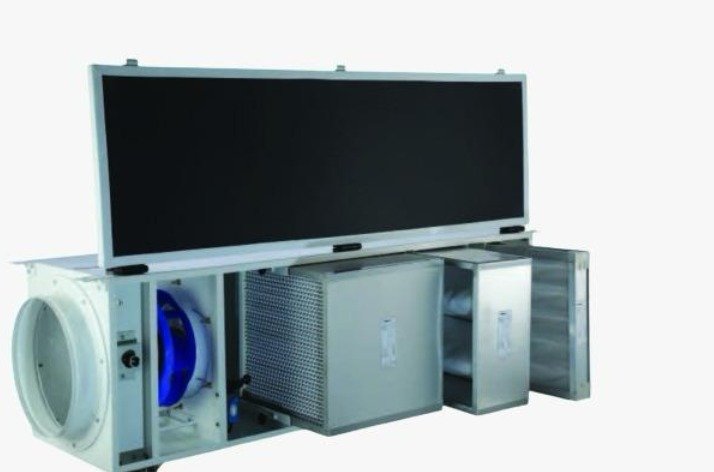
Different pollutants require different control methods. A particle filter can capture dust, pollen and many airborne particles, but it may not effectively remove gaseous contaminants. Activated carbon and other suitable adsorption materials can help address certain gases and odours, while ventilation helps dilute indoor contaminants.
When selecting the best air cleaner, it is important to consider the specific pollution concerns, room dimensions, clean air delivery rate, filter efficiency and maintenance requirements. A system designed for a small bedroom may not provide adequate purification in a large living area or commercial workspace.
Conclusion
Indoor pollutants come from numerous sources, ranging from ordinary household dust to chemical emissions, biological contaminants and combustion gases. Each category presents different challenges and requires an appropriate control strategy. Recognising these differences helps homeowners and facility managers make better decisions about ventilation, cleaning, monitoring and air purification. Organisations such as O₂Cure offer air purification solutions designed for different indoor environments, supporting efforts to create cleaner and healthier spaces.








Discussion about this post