

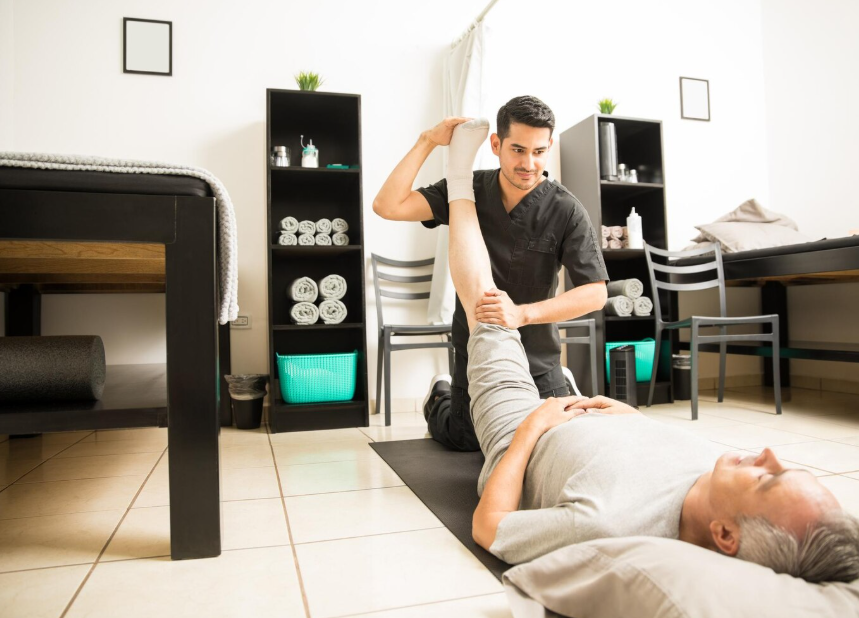
Most older people do not want to leave their own home. Not for a hospital stay, not for a care facility, not for anything. They want their own kitchen, their own garden, their own bed. That single fact is exactly why home care Physiotherapy in Melbourne has become such a popular option for families trying to help an older parent or relative stay steady on their feet without uprooting their whole life. Mobility does not have to mean moving house. In a lot of cases it just means the right support showing up at the front door instead.
Why Do So Many Older Australians Want To Stay At Home?
The numbers back this up clearly. A national aged care factsheet found that 62 percent of older Australians want to receive their care services in their own home rather than anywhere else. That is not a small majority, that is nearly two thirds of the entire group. Falls are a huge part of why people end up leaving home in the first place, and falls remain one of the leading causes of injury and death among older Australians according to the Australian Institute of Health and Welfare.
More than half of all serious falls among older Australians actually happen inside the home itself, based on AIHW hospital data. That single detail makes the home exactly the right place to start fixing the risk, rather than waiting until a hospital corridor forces the issue.
What Does A Home Physio Visit Actually Involve?
A home visit looks pretty different from a clinic appointment, mostly because the physio is working inside the exact space the person actually lives in every day.
- Checking balance and walking pattern on the real floors and stairs at home
- Building strength in the legs and core through simple, repeatable exercises
- Fitting and adjusting walking frames, canes or rails properly
- Spotting trip hazards like loose rugs, poor lighting or awkward step heights
- Setting small, realistic goals like walking to the letterbox without stopping
Most plans start with weekly visits and get adjusted as strength and confidence come back, not locked into a rigid schedule that ignores how someone is actually progressing.
How Do You Know When It Is Time To Start?
A lot of families wait until after a fall or a hospital stay, but starting earlier gets better results. Watch for someone gripping onto furniture while walking, avoiding stairs, or getting noticeably more tired on short walks than they used to. Those are early warning signs, not things to just put down to getting older. Adult children often spot these changes long before the older person admits anything has shifted, so trust that instinct instead of brushing it off.
What Does The Research Say About Home-Based Rehab?
This is not guesswork, there is real research behind it.
| Study | What It Found |
| TOP-UP trial, Medical Journal of Australia, 2025 | Telehealth physiotherapy supported by local care workers improved mobility in older people receiving aged care |
| Melbourne hospital home rehab program | Patients recovering from hospital stays regained mobility and independence doing rehab at home instead of on a ward |
| National physical activity guidelines | Recommend 150 to 300 minutes of moderate activity a week plus 2 days of strength training for older adults |
Put plainly, the evidence points the same direction every time. People who get proper physio support at home keep more of their independence than people who wait until things get worse.








Discussion about this post