

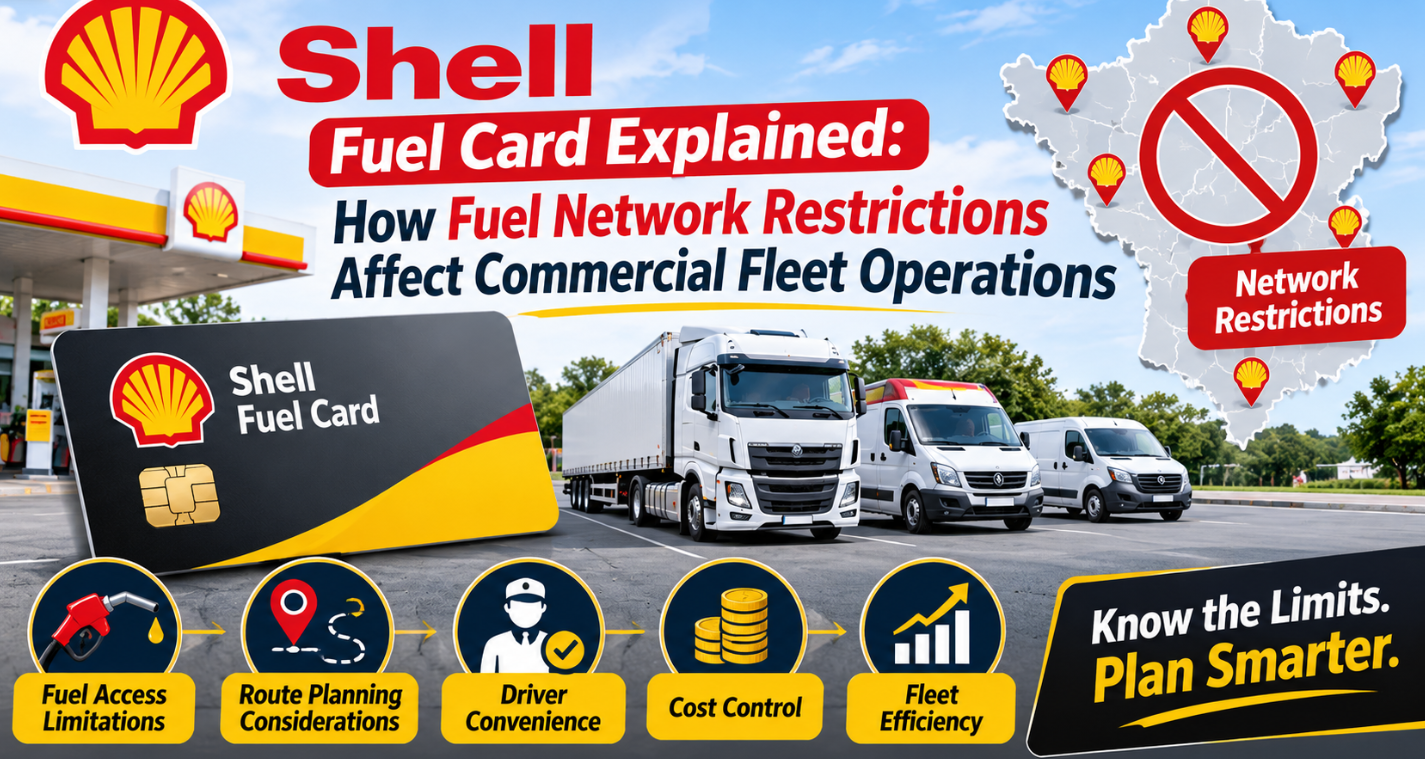
A Shell Fuel Card lets a fleet buy fuel using one account instead of cash. Drivers tap, swipe, or scan at the pump. The business gets one bill at the end of the month.
A Shell Fuel Card works best when your routes stay close to Shell stations, and that one fact changes everything about how useful the card really is for your fleet.
Shell is a big brand in Australia. It has stations in most cities and along many highways. But big does not mean everywhere. Some country roads and mining routes barely see a Shell sign for hours.
What Does a Shell Card Really Do?
It swaps cash for a simple account. Drivers do not carry company money. Owners get one invoice, not fifty receipts. Most cards also track litres, costs, and which truck used what fuel. That data helps a business spot waste fast.
Why the Network Size Is a Big Deal
A fuel card is only as good as the stations it works at. Shell has a wide network across Australia, but coverage drops in rural and remote zones. Trucks that run long, lonely routes can drive past empty highway stretches with no Shell pump in sight. That gap forces drivers back to cash, and cash breaks the whole point of having a fuel card.
What Happens When a Fleet Outgrows One Network
- Drivers waste fuel driving extra kilometres to find a Shell station
- Time gets lost on detours that were never part of the route
- Paper receipts pile up and go missing
- Monthly reports show gaps because cash buys do not show up on the account
- Budgeting gets harder once fuel costs sit in more than one place
Shell Card vs a Multi-Network Fuel Card
Here is a simple side by side look at how a single brand card compares with a card built for many brands.
| Feature | Shell Fuel Card | Multi-Network Fuel Card |
| Station access | Shell outlets only | Shell, BP, Caltex and more |
| Best route type | City and highway runs | Long-haul and remote runs |
| Reporting | Shell purchases only | All fuel in one report |
| Backup options | Limited outside network | Wide backup across brands |
When a Shell Card Fits Your Fleet
If your trucks stay in cities or on busy highways where Shell is everywhere, this card works well. Delivery vans, taxis, and local trade fleets often fall into this group. Shell stations are easy to find, and drivers rarely go off script.
When It Does Not Fit
Long-haul freight, farm trucks, and mining fleets often travel where Shell has no stations at all. For these businesses, a single-brand card causes more headaches than it solves. A wider network, or a card built for mixed brands, saves time, fuel, and paperwork.
Fuel Price Swings Make This Worse
Fuel prices move up and down almost every week in Australia. A fleet locked into one network cannot shop around when prices spike near its usual stations. A wider network gives drivers more chances to fill up where the price is fair that day, instead of paying whatever the nearest Shell pump charges.
What Fleet Managers Should Check First
Before picking any fuel card, a manager should pull up a real map of where trucks drive each week. Mark every stop. Then check how many Shell stations sit along that route. If the map is full of gaps, the card will cause trouble no matter how good the rest of its features look.
The Bottom Line on Network Restrictions
A Shell Fuel Card is a solid tool, but it is still a tool built around one brand. Fleets that respect that limit, and plan routes around it, get real value. Fleets that ignore it end up fighting the very system meant to save them time.
Fuel cards are supposed to make life easier, not harder. Pick one that matches where your trucks actually drive, not just the brand you know best.








Discussion about this post