

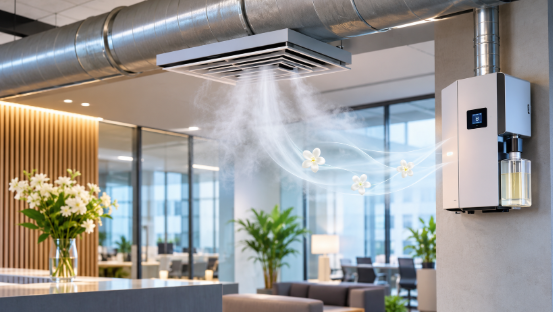
Indoor air quality plays an important role in creating comfortable and welcoming environments in homes, offices, hotels, and commercial buildings. While temperature control and ventilation are essential, the way a space smells can also influence how people perceive their surroundings. A fresh and pleasant atmosphere often contributes to a positive experience, especially in places where people spend several hours each day.
Modern buildings increasingly rely on integrated air management technologies to maintain consistent indoor conditions. These systems combine heating, cooling, ventilation, filtration, and sometimes fragrance distribution to create a more comfortable environment. Understanding how these technologies work helps building owners and facility managers make informed decisions about indoor environmental quality.
Understanding the Importance of Indoor Air Quality
Indoor air quality refers to the condition of the air inside buildings, particularly concerning pollutants, ventilation, humidity, and other factors that may affect occupants. Poor indoor air quality can result from inadequate ventilation, excessive moisture, dust accumulation, cleaning chemicals, and emissions from building materials.
Maintaining healthy indoor conditions requires a combination of source control, ventilation, filtration, and regular maintenance. Removing or reducing pollutants at their source is generally more effective than attempting to cover unpleasant odors with fragrances.
Commercial buildings often have complex environmental requirements because different areas experience varying levels of occupancy and activity. Conference rooms, reception areas, corridors, and shared workspaces may need different ventilation strategies to maintain consistent comfort.
How Heating and Cooling Systems Influence Indoor Freshness
Heating, ventilation, and air conditioning systems regulate indoor temperature and help manage airflow throughout a building. Depending on their design, these systems can introduce outdoor air, circulate conditioned air, and filter airborne particles.
Proper airflow helps prevent stagnant conditions and reduces the accumulation of certain indoor contaminants. However, air conditioning alone does not guarantee adequate ventilation, particularly in systems that primarily recirculate indoor air.
Routine maintenance is essential for maintaining performance. Dirty filters, blocked ducts, accumulated moisture, and neglected drainage components can contribute to unpleasant odors and reduced system efficiency.
Facility managers typically follow preventive maintenance schedules that include inspecting filters, cleaning components when necessary, checking condensate drainage, and monitoring ventilation performance.
The Growing Role of Fragrance in Commercial Environments
Beyond temperature and air circulation, some commercial properties incorporate fragrance into their environmental design. Hotels, retail stores, wellness centers, and corporate offices may use carefully selected aromas to complement their interiors and create a recognizable atmosphere.
An HVAC Scent Diffuser is one technology used for this purpose. It is designed to introduce fragrance into a compatible heating, ventilation, and air conditioning system so that scented air can be distributed through selected building areas.
Unlike portable air fresheners, these systems may use existing ductwork to distribute fragrance across larger spaces. Their effectiveness depends on equipment compatibility, airflow patterns, building layout, and the operating characteristics of the ventilation system.
Fragrance distribution should be considered an optional comfort feature rather than an air purification method. Introducing a pleasant aroma does not remove airborne pollutants or correct underlying ventilation problems.
How Centralized Fragrance Distribution Systems Work
Centralized fragrance systems generally operate by converting a fragrance formulation into small airborne droplets or particles that can travel with moving air. Some technologies use cold-air diffusion or nebulization methods, although equipment designs and operating principles vary.
In compatible installations, fragrance is introduced into a designated section of the air distribution system. As conditioned air moves through the ductwork, the fragrance travels toward connected rooms or shared spaces.
An HVAC Scent Diffuser may include programmable controls that allow operators to adjust fragrance output and operating schedules. These settings help manage fragrance intensity based on building occupancy, ventilation patterns, and operational requirements.
Proper installation is important because excessive fragrance output or unsuitable equipment placement can lead to uneven distribution, residue accumulation, or discomfort among occupants. Manufacturers’ installation requirements and relevant HVAC safety guidance should always be followed.
Why Fragrance Consistency Matters in Large Buildings
Maintaining a consistent atmosphere can be challenging in buildings with multiple rooms, floors, and activity zones. Air movement, door openings, occupancy levels, and temperature differences can influence how fragrance spreads.
A centralized fragrance system may help distribute a selected aroma across connected spaces more consistently than several independently operated devices. However, even distribution is not guaranteed because airflow conditions can vary significantly throughout a building.
Facility managers may divide buildings into separate fragrance zones when different areas require different levels of scent intensity. For example, a spacious hotel lobby may accommodate a subtle fragrance, while meeting rooms and enclosed offices may be better maintained without added scents.
Careful zoning also helps prevent fragrance from entering areas where occupants may have sensitivities or where scent-free conditions are preferred.
The Relationship Between Fragrance and Human Perception
The human sense of smell is closely connected to brain systems involved in memory and emotion. Familiar aromas can trigger associations with particular places, experiences, or activities.
This connection helps explain why some hospitality and retail businesses use signature fragrances as part of their environmental design. A recognizable aroma may contribute to a distinctive atmosphere and help reinforce a brand’s sensory identity.
However, responses to fragrance are highly individual. An aroma that one person finds relaxing may be unpleasant or irritating to someone else. Fragrance preferences can also vary depending on cultural background, previous experiences, and personal sensitivities.
For shared environments, moderation and occupant choice are especially important. A pleasant atmosphere should not depend on exposing everyone to a noticeable fragrance.
Maintaining Proper Ventilation Alongside Fragrance Systems
Ventilation remains essential regardless of whether a building uses fragrance technology. Outdoor air exchange helps dilute certain indoor contaminants, while filtration can reduce airborne particles depending on the filter type and system configuration.
An HVAC Scent Diffuser should never be treated as a replacement for adequate ventilation, air filtration, or odor-source removal. Scented air can still contain pollutants, and masking an odor may delay the identification of a maintenance or sanitation problem.
Building operators should prioritize identifying the causes of persistent odors, including moisture intrusion, plumbing problems, contaminated filters, or inadequate exhaust ventilation.
Any fragrance equipment connected to HVAC infrastructure should also be evaluated for its potential effects on air quality, equipment performance, and occupant comfort.
How Humidity Control Contributes to a Pleasant Atmosphere
Humidity influences both indoor comfort and the development of unwanted odors. Excess moisture can encourage mold growth and contribute to musty conditions, particularly in bathrooms, basements, and poorly ventilated spaces.
Many building management guidelines recommend keeping indoor relative humidity below 60%, with lower levels often preferred when practical for the building and climate.
Air conditioning and dehumidification equipment can help manage moisture, but these systems require proper drainage and maintenance. Water accumulation inside equipment or ductwork can create conditions that contribute to microbial growth.
Addressing moisture problems directly is more effective than attempting to conceal associated odors with fragrance products.
Important Safety Considerations for Fragrance Diffusion
Although fragrance systems can enhance the perceived atmosphere of a building, they also introduce additional substances into indoor air. Fragrance formulations may contain volatile organic compounds and other ingredients that can affect sensitive occupants.
People with asthma, allergies, migraines, or fragrance sensitivities may experience discomfort when exposed to scented products. For this reason, building managers should evaluate whether fragrance distribution is appropriate for the intended environment.
When selecting an HVAC Scent Diffuser, important considerations include equipment compatibility, fragrance formulation transparency, manufacturer documentation, maintenance requirements, and the ability to control or disable fragrance output.
Commercial installations should be reviewed by qualified professionals to ensure that equipment placement does not interfere with ventilation performance, fire safety requirements, or building operations.
Providing fragrance-free areas can also improve accessibility and comfort in shared environments.
How Smart Building Technology Supports Environmental Management
Modern building management systems allow facility teams to monitor and adjust various indoor environmental conditions from centralized interfaces.
Depending on the installed equipment, these systems can track temperature, humidity, ventilation schedules, and selected indoor air quality indicators. Some fragrance distribution technologies also offer programmable schedules and remote control features.
Automation can help coordinate equipment operation with building occupancy patterns. For example, environmental controls may operate differently during business hours, overnight periods, and low-occupancy weekends.
However, automation does not eliminate the need for regular inspections and maintenance. Sensor accuracy, equipment condition, and occupant feedback remain important for evaluating overall environmental performance.
Practical Ways to Improve Indoor Freshness Without Excessive Fragrance
Creating a pleasant indoor atmosphere begins with fundamental building maintenance. Regular cleaning, effective ventilation, appropriate filtration, and moisture management can significantly reduce many common sources of unpleasant odors.
Carpets, upholstery, waste storage areas, kitchens, and bathrooms should receive particular attention because these locations can accumulate odor-producing substances.
Building managers should also evaluate cleaning products and maintenance materials. Some products release strong fragrances or chemical emissions that may affect indoor comfort, even when used for sanitation purposes.
Where fragrance is desired, subtle application and careful monitoring are generally more appropriate than continuous high-intensity diffusion. The objective should be a comfortable environment rather than a strongly scented one.
Conclusion
Maintaining a fresh and comfortable indoor environment requires more than controlling temperature or introducing pleasant aromas. Effective ventilation, filtration, humidity management, routine cleaning, and preventive maintenance form the foundation of good indoor environmental quality.
Modern fragrance distribution systems can complement these practices in suitable commercial environments, particularly where a consistent sensory atmosphere is part of the building’s design. However, their use should always be balanced against occupant sensitivities, equipment compatibility, and indoor air quality considerations.
By prioritizing environmental health and using fragrance technology thoughtfully, building owners and facility managers can create welcoming spaces that support comfort, cleanliness, and a positive experience for occupants.








Discussion about this post