

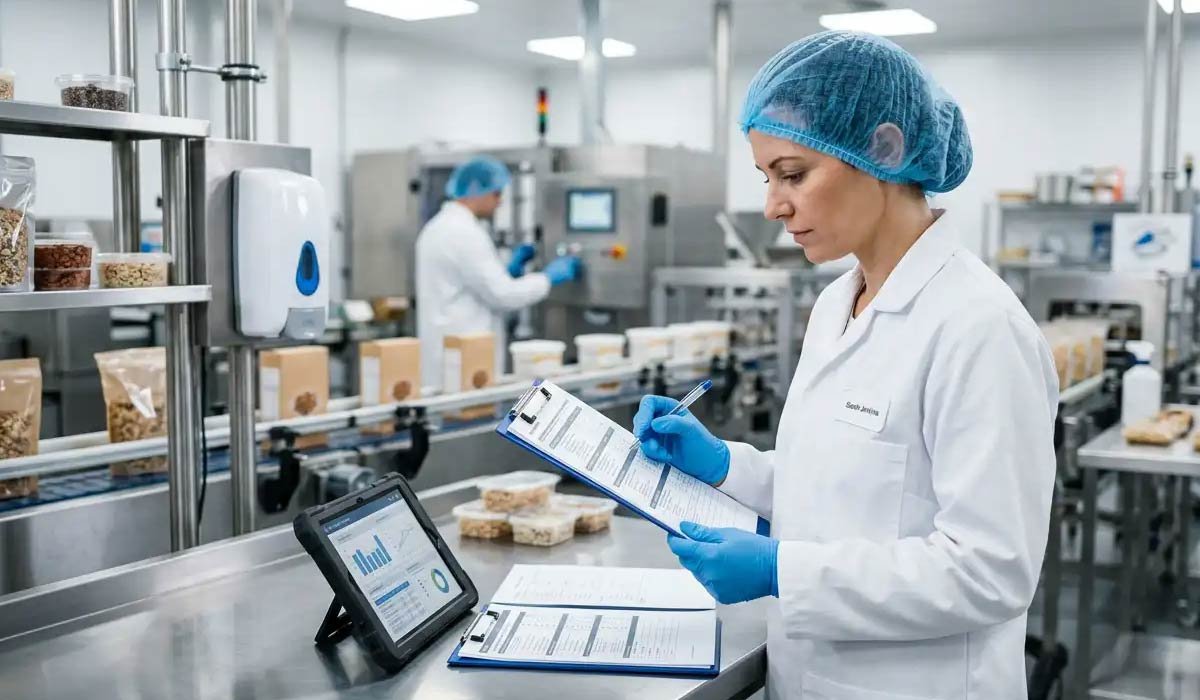
Allergen control is one of the places in food manufacturing where people care the most, and it shows. Teams double-check formulations, walk the line after a cleaning, and read labels against recipes with real attention, because they know a family somewhere is relying on that label being right. That care is a strength, and it takes time. As product portfolios grow, many food teams are finding that a few thoughtful tools can take on the repetitive checking, so people can spend their attention where judgment matters most. The result is allergen control that feels a little lighter without being any less serious.
Why the Work Grows With the Portfolio
When a brand has a handful of products, keeping allergen details straight is manageable. As it grows to dozens or more, the number of combinations rises quickly. A single ingredient might appear in several formulas. A supplier’s specification change can affect more than one label. A production schedule can place products with different allergen profiles next to each other, and each changeover calls for the right level of cleaning.
In many plants, a compliance manager reviews formulation sheets before every run, comparing declarations, ingredient specs, and label text. It’s careful work, and it follows a clear pattern: confirm that what’s in the formula matches what’s on the label. Patterns like that are exactly where a helpful system can lend a hand.
Knowing Exactly What’s in Every Lot
Good allergen control begins with knowing precisely what’s in the building. Each ingredient arrives with a supplier, a lot code, and often a specification that includes allergen information. When that lot is recorded at receiving and linked to everything that happens to it afterward, the plant has a clear, connected picture.
This is where Lot Traceability Software built around an existing ERP adds a calm layer of confidence. Each production lot is assigned a traceability lot code and tied to the raw material batch, production date, shift, line, and operator records. Key data elements are captured at each critical tracking event, such as receiving, transforming, creating, and shipping, in a structured, sortable format. Incoming lot codes from ingredient suppliers and co-packers can be mapped to finished goods automatically.
For allergen control, that connection is quietly powerful. If a question ever comes up about an ingredient, a single query can show which finished lots contained it and which customers received them. Forward and backward tracing take seconds, which turns a potentially stressful question into a straightforward report. And because the system is built on the ERP the plant already uses, connected through an API without changing the ERP’s structure, the team keeps the tools it knows.
Records That Support the Whole Story
Allergen programs depend on documentation, from supplier specifications to cleaning verification to labeling decisions. When lot-level information sits alongside those records, the story hangs together naturally. A quality team can see which ingredient lot was used in a run, which line ran, what was scheduled before and after, and where the finished product went.
Many teams also find it helpful to write down how lots are assigned and handled, including what triggers a new lot and how combined materials are treated. A written Traceability Plan, generated from the system configuration, documents these decisions in a form that colleagues and auditors can read. It becomes part of the plant’s shared playbook, which makes training and consistency easier.
Automatic Checks Before Every Run
With the foundation in place, a second kind of support becomes possible: letting software handle the routine comparison work. This is where AI for Food Manufacturing offers a very practical benefit. Allergen verification and label compliance checking can be automated across fifty or more SKUs, so the team doesn’t need to review every formulation sheet by hand before each production run.
The system compares the formulation, the ingredient information, and the label, and highlights anything that doesn’t agree. If something is off, the compliance manager sees it before the run begins, when a correction is simple. If everything matches, the team can move forward with confidence, and the record of the check is kept with the run.
The same approach supports changeovers. Automated alerts can flag potential cross-contamination risks when the schedule places products with different allergen profiles close together, so planners can adjust the sequence or confirm the right cleaning step. People remain in charge of the decisions, and the system makes sure the right information reaches them at the right moment.
Keeping the Human Touch
It’s worth saying that these tools are meant to support skilled people, not replace them. A compliance manager’s experience, a sanitation lead’s eye, and an operator’s instincts are all essential. Automation takes on the repetitive comparison and the timely reminders, and the team brings the judgment, the hands-on verification, and the final say.
Teams often find that this division of work makes their days more satisfying. Instead of spending hours reading sheets side by side, they spend that time reviewing exceptions, improving procedures, and working with suppliers on specifications. Many describe it as a more thoughtful way to work.
What Teams Tend to Notice
Food teams that adopt checks and alerts like these often describe a few welcome changes. Pre-run reviews are quicker, because routine comparisons are handled automatically. Changeover planning is smoother, because potential concerns appear early. Questions about a particular ingredient or lot are answered in minutes. And the documentation that supports the allergen program is organized and easy to find, which makes audits and customer reviews feel calmer.
There’s also a confidence benefit that’s hard to measure. When people know the routine checks are consistent every time, they can approach each run with a steadier mind.
A Friendly Way to Begin
For teams curious about this path, a helpful first step is to choose one product family and describe how allergen and label checks happen today. Who reviews what? Which documents are compared? How long does it take? Mark the steps that follow a clear rule, such as matching the declared allergens on a label to the formulation. Those are the best candidates for automation.
Next, look at how changeovers are planned. Which combinations of products require extra care? Where would an early alert have been helpful? Finally, try a quick traceability exercise: pick a finished lot from a few weeks ago and see how long it takes to identify each ingredient lot and each customer shipment. If it takes more than a couple of hours, you’ve found a clear place to start, and you’ve found it on an ordinary day.
Starting with one product family keeps things manageable, and each success makes the next one easier.
Care, With a Little Help
Allergen control will always reflect a plant’s care for the people who eat its food. That care doesn’t change. What can change is how much support the team has in carrying it out. With clear lot information, automatic label and formulation checks, and timely changeover alerts, food teams can make a demanding responsibility feel steadier and more manageable, and keep their attention on what matters most: getting it right, every time.
About the Contributor
Nishkam Batta, Editor-in-Chief, HonestAI Magazine | AI Consultant, GrayCyan AI Solutions
Nish leads an applied AI company helping manufacturing and related companies automate operations with human-in-the-loop AI that integrates into ERPs, WMS, CRMs, and other enterprise tools, with an emphasis on explainable AI, clear audit trails, and measurable outcomes. His team builds agentic ERP systems that execute multi-step tasks inside approved guardrails so humans keep accountability, approvals, and override control.








Discussion about this post